

MSMEs and women’s enterprises
Assess the needs and constraints of micro, small and medium-sized agribusinesses, including women’s economic activities.
MSME assessment and training for Norwegian Church Aid across six Afghan provinces, combining agribusiness value-chain analysis with practical guidance on processing, packaging, branding, market linkages and sustainability.
Under the project “Rebuilding Local Economies and Community-Based Agribusiness Value Chain Evaluation,” Daira Sabz delivered an MSME assessment and training assignment for Norwegian Church Aid across six provinces in southern and eastern Afghanistan.
The assessment report was titled “Assessment Report of MSMEs in South and East Afghanistan.” MSMEs are micro, small and medium-sized enterprises. The work examined agribusinesses and women’s enterprises, including processing, packaging, quality control and market linkages.
Assessment and recommendations were complemented by targeted training and on-the-job guidance on value addition, branding and market positioning. Circular-economy recommendations supported the focus on resource efficiency, waste reduction and more sustainable, market-oriented value chains.
The assignment combined enterprise assessment, agribusiness value-chain analysis, recommendations and training.
Assess the needs and constraints of micro, small and medium-sized agribusinesses, including women’s economic activities.
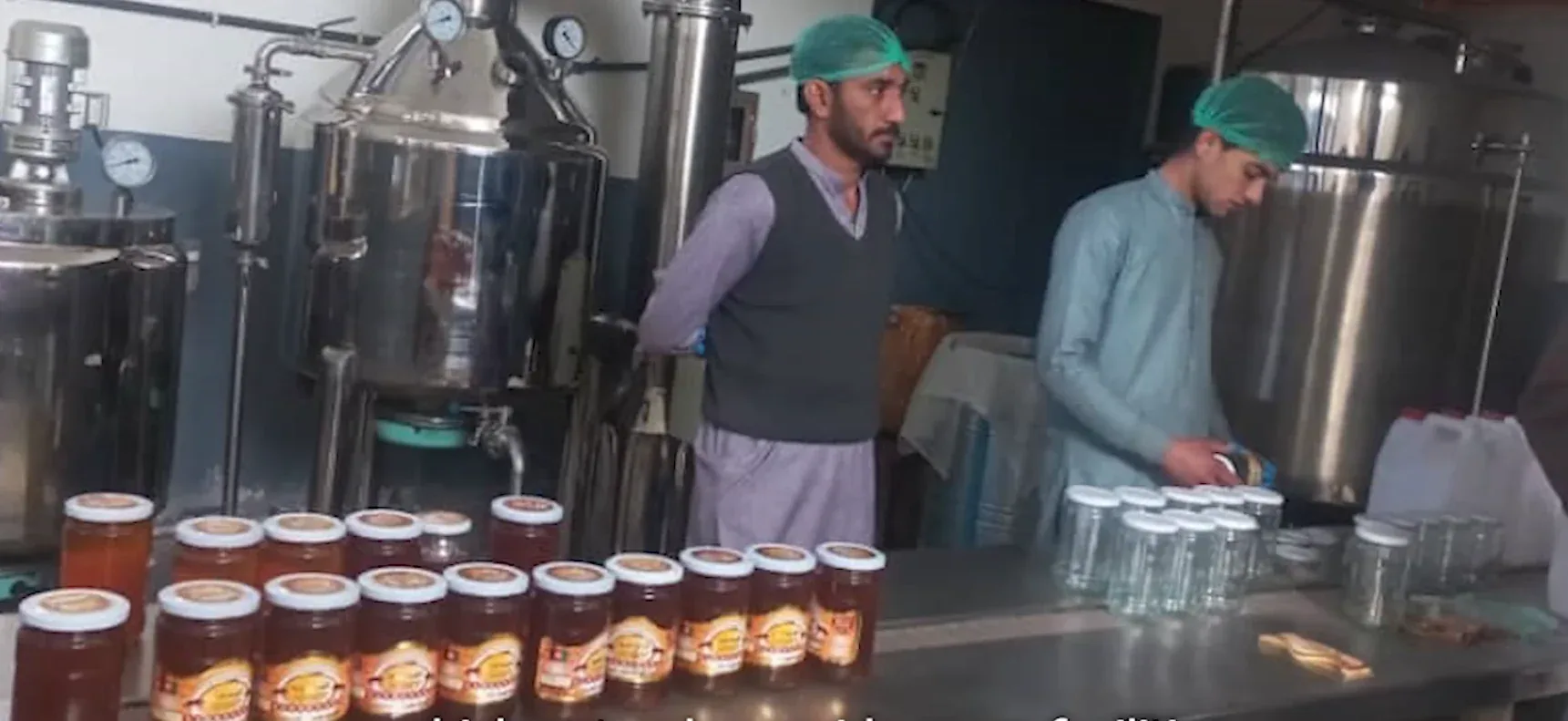
Assess processing-related needs and quality considerations affecting product readiness.
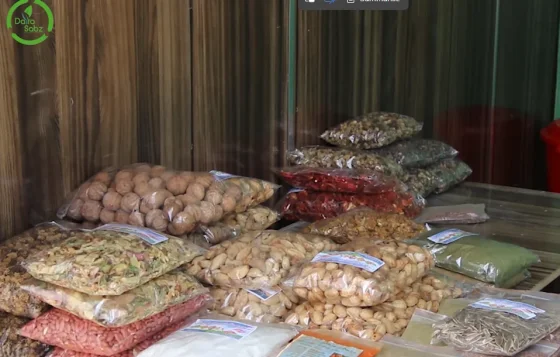
Consider packaging, product presentation and branding alongside opportunities for value addition.
Examine connections between enterprises and markets to inform priorities for development support.
Recommendations to support resource efficiency, waste reduction and more sustainable agricultural value chains.
Practical workplace learning and guidance on branding and market positioning.
Enterprise evidence informed priorities for agribusiness support and practical capacity development.
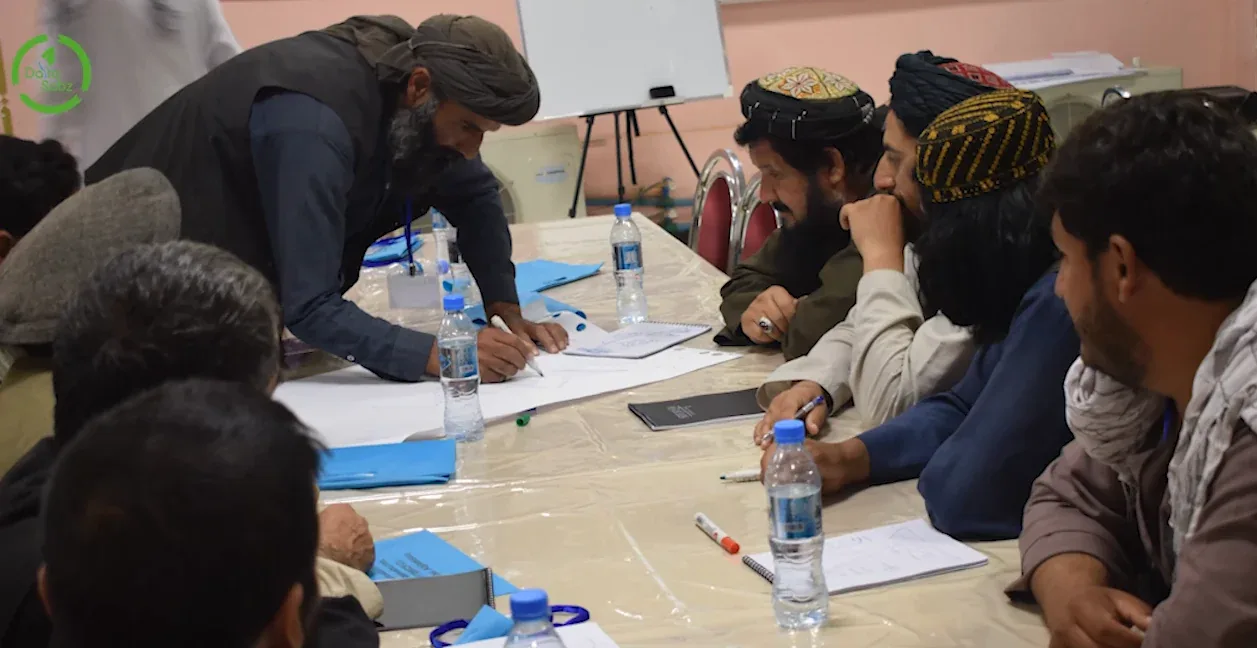
Use field assessments and stakeholder consultations to understand enterprise practices, needs and value-chain constraints.
Analyse processing, packaging, quality and market-linkage considerations.
Translate assessment findings into recommendations for infrastructure, capacity development and circular-economy solutions for more sustainable value chains.
Provide targeted training, including on-the-job learning and guidance on branding, value addition and market access.
MSME development connects business capabilities with the conditions enterprises face in production and markets. By combining assessment, recommendations and practical training, this assignment supported an informed approach to local economic and agribusiness development.
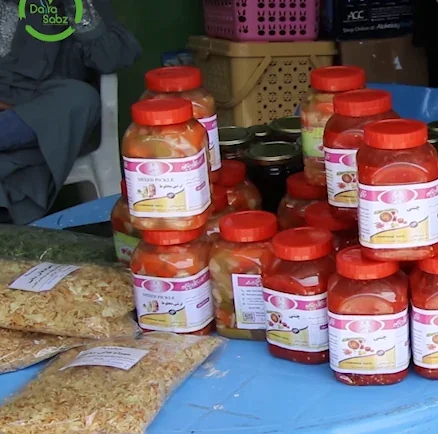
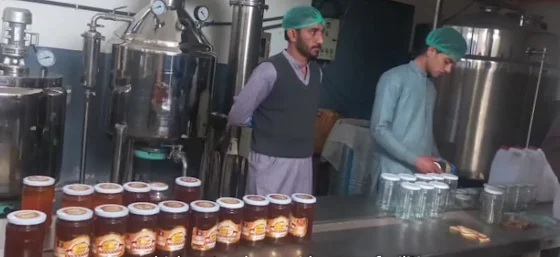
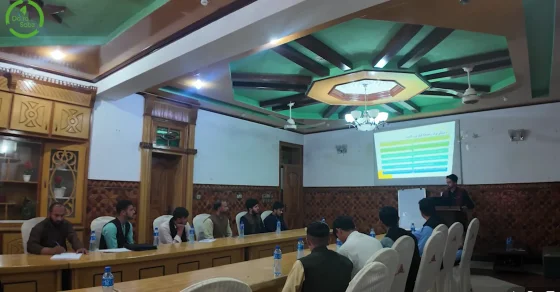
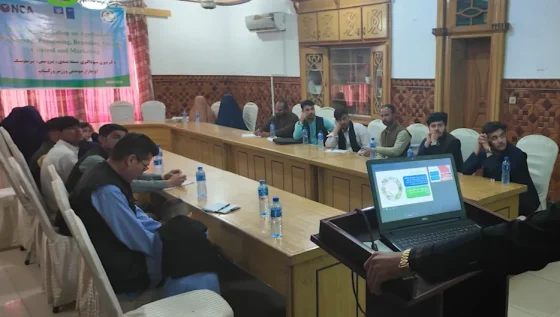
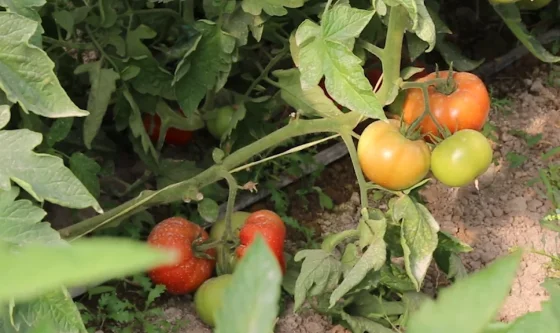
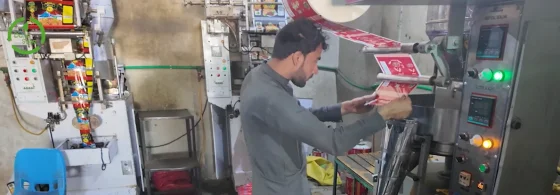
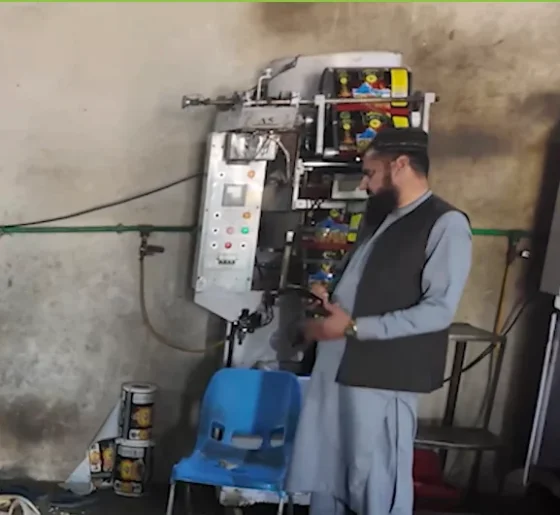
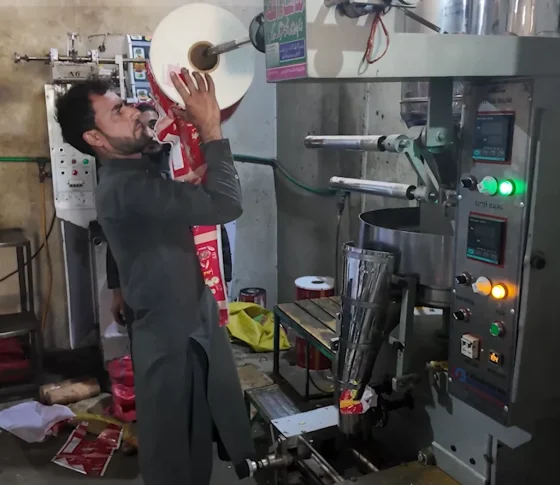
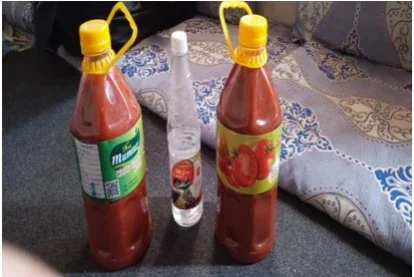
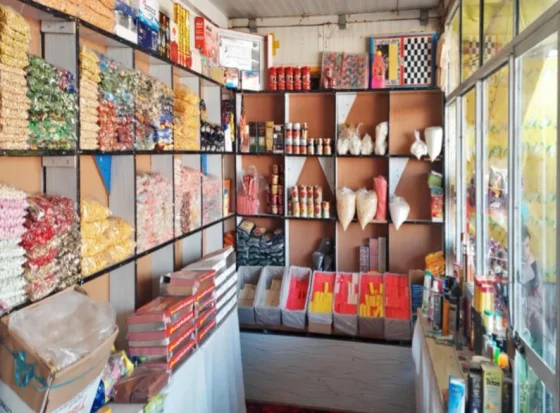
Enterprise and stakeholder discussions, processing and packaging equipment, training, products and retail examples. The solar photo provides illustrative renewable-energy context.

 Midterm Evaluation
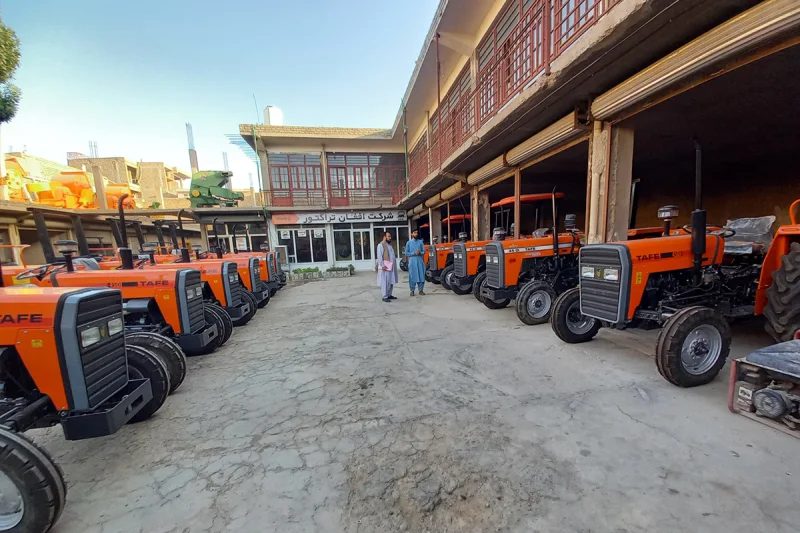
Market research for Millat Tractors Limited’s Islamabad regional office, examining demand, pricing, distribution, customer preferences, after-sales services and import conditions in Afghanistan.
Afghanistan
 Midterm Evaluation
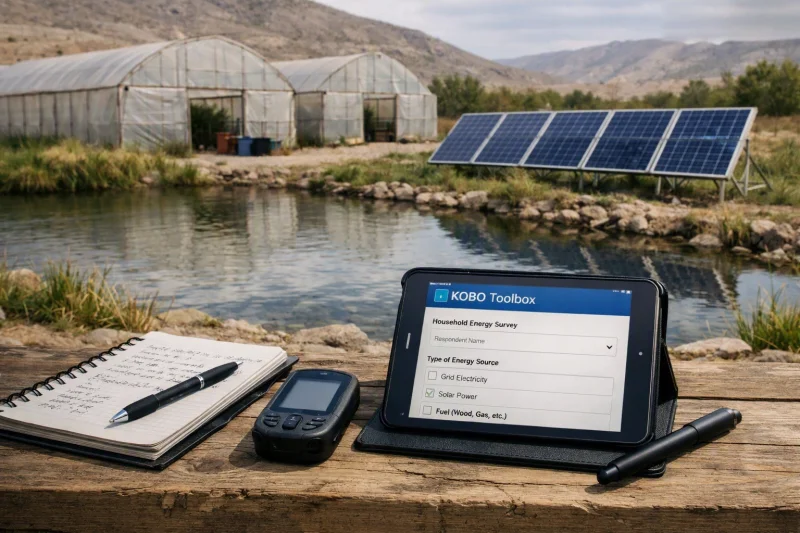
Socioeconomic energy-access research in Bamyan and Parwan for Abdullah Jamal, using 60 surveys and ten key-informant interviews to inform analysis of local needs and policy conditions.
Bamyan and Parwan, Afghanistan
 Midterm Evaluation
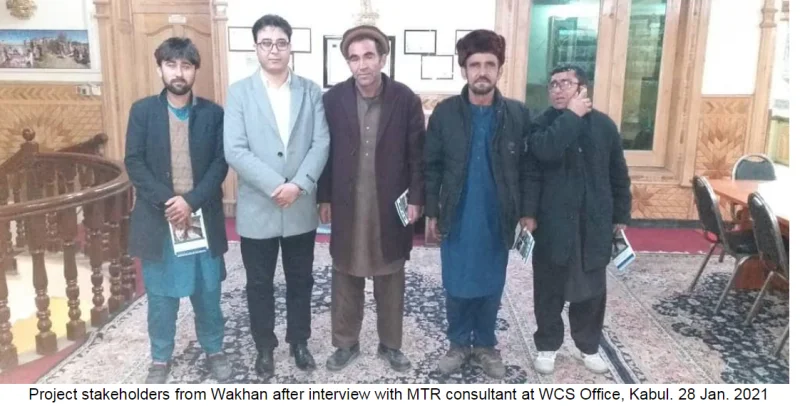
Midterm review of the UNDP-supported, GEF-financed snow leopard conservation project (PIMS 5844), implemented by WCS. Mustafa Hasani contributed as national consultant alongside international consultant Andrew Laurie.
Badakhshan and Kabul, Afghanistan
Discuss your target enterprises, locations and programme objectives with Daira Sabz—from assessment and recommendations to practical training and business-development guidance.